What if someone handed you a bag of salt and said: "This is your salary"
You'd probably have questions like…Why salt?....Where is the actual money? But there was a time when salt was valuable enough to be used in trade. And that's just the beginning.
Long before price tags, banknotes and "₦0.00 available balance notifications", people had to figure out something much more interesting: What makes something valuable? And humans have come up with some pretty creative answers.
Salt Was Serious Business
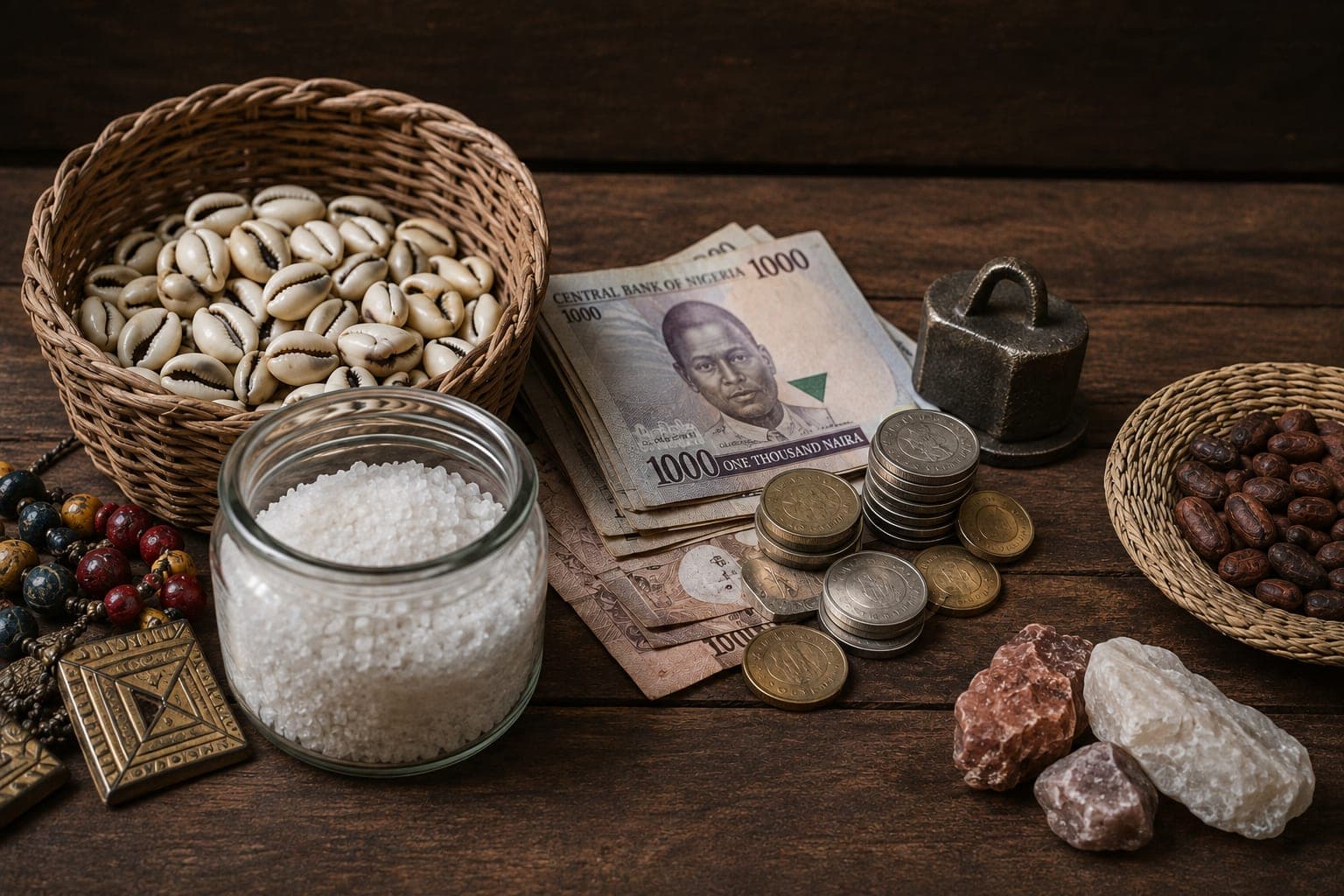
Salt wasn't just something you sprinkled on your jollof. Centuries ago, it was an important commodity because it helped preserve food and was useful in everyday life. In some places, salt was even used as a medium of exchange.
Imagine finishing a job in this day and time and hearing, Well done. Here's your salt. Well, at least your food will be preserved.
Then There Were Shells
In different parts of the world, shells — especially cowrie shells became valuable enough to be used in trade. Cowries were used as currency in parts of Africa. Which means that something that might look like a tiny decorative object to us could once have represented real purchasing power.
Funny how that works. The object itself didn't magically become valuable. People decided that it was.
Cattle Were Basically Walking Wealth
In some ancient societies, livestock played an important role in wealth and exchange. And honestly, it makes sense. A cow isn't just something you own. It can provide food. It can reproduce. It can provide useful products and it can represent wealth.
The only problem? Try putting your savings in your pocket or hiding your emergency fund under your bed.
And Then Humans Got Even More Creative
Across different societies and periods, people have used all kinds of things as stores of value or means of exchange, from beads and metal objects to other goods that their communities considered useful or desirable. And that's probably the most interesting part because value has never had one fixed shape. Sometimes it was a shell, Sometimes it was salt, then it was livestock or it was something you couldn't hold.
And today, it can be a number on a screen.
A ₦1,000 note isn't inherently worth ₦1,000 because of the paper it's printed on. Its value comes from people's collective trust behind it. The same goes for the balance displayed in your banking app. You can't hold those numbers in your hand. But they represent something people agree has value.
So… What Is Something Worth?
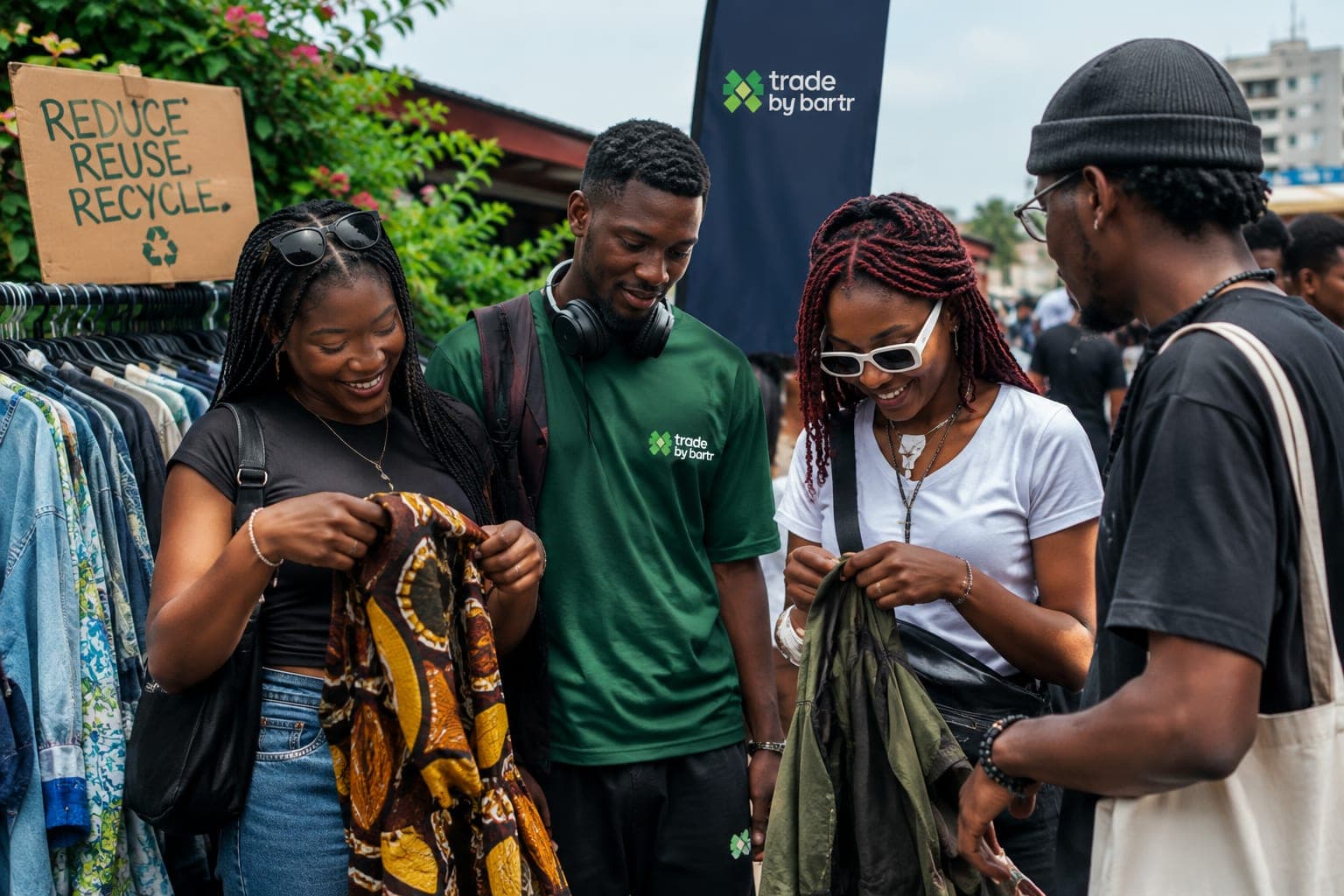
A pair of sunglasses might be taking up space in your home. To you, it might be something you haven't worn in a while but to someone else, it might be exactly what they've been searching for. A skill you've almost forgotten you have could solve someone else's problem. A service you can provide could be worth more to someone than the cash sitting in their wallet. An item sitting unused in your room could be useful to someone else.
The object hasn't changed. Its potential value has.
And maybe that's one of the important things about human exchange. We've never only traded money. We've traded things we had for things we needed and we've found value in unexpected places.
We've looked at what was sitting right in front of us and asked: "Who could this be useful to"?
From cowries to cattle to bank accounts, the things we consider valuable have changed dramatically.
But the idea behind the exchanges haven't changed much at all: Value is often less about what something costs and more about what it means to the person who needs it.